I’m going to be completely honest with you sometimes I feel like I was born in the wrong century.
I’m 22, and while I love my high-speed internet and noise-canceling headphones, there is something about the “slow living” aesthetic that I am absolutely obsessed with. I’m talking candles, wooden bowls, and food that feels like it was cooked over an open hearth in a castle.
But here is the plot twist: Tomato soup didn’t actually exist in Medieval Europe. Wait, don’t close the tab!
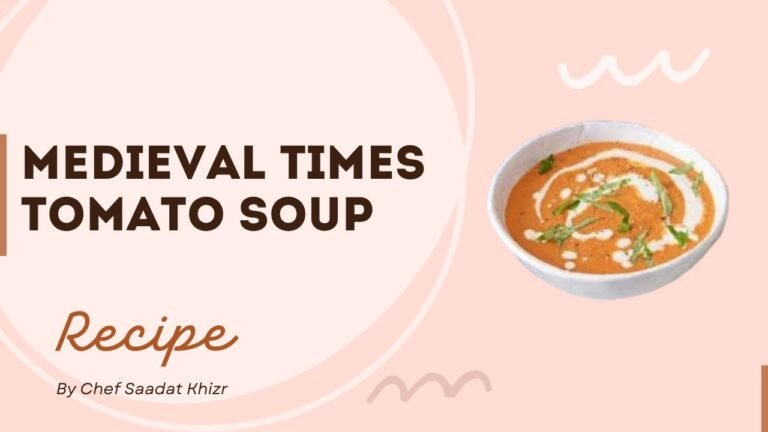
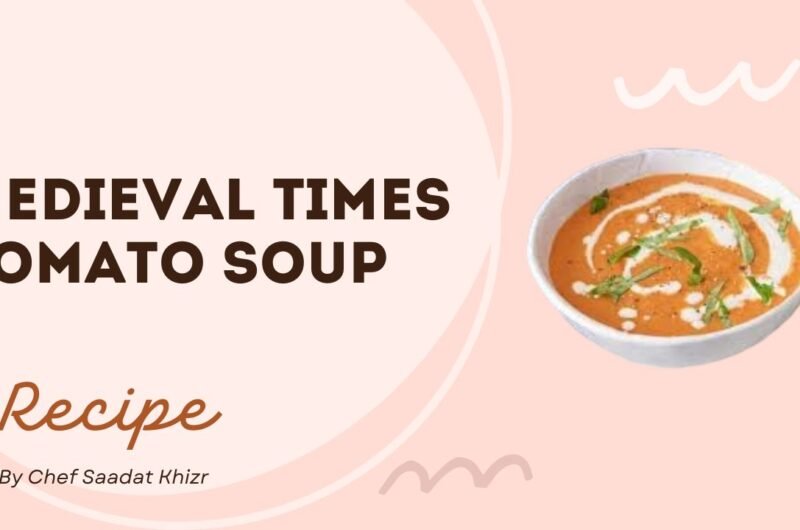
Like a true “helpful peer” moment: Tomatoes are native to the Americas and didn’t make it to European kitchens until the late 1500s (way after the Middle Ages ended). But, if you’ve ever been to a certain dinner show or a Renaissance faire, you know exactly the kind of “Medieval Times” soup I’m talking about. It’s thick, it’s spicy in a weirdly warming way, and it’s meant to be slurped directly from a pewter bowl.
It’s the ultimate “historical fiction” meal. It’s rich, rustic, and honestly, way more interesting than the stuff you get at a grilled cheese shop.
The “Time Traveler” Comfort Bowl: Why Medieval-Style Tomato Soup is a Total Vibe
Course: Soup / StarterCuisine: u0022Historicalu0022 FusionDifficulty: Medium4
servings10
minutes30
minutes290
kcalIt’s hearty, it’s a little bit spicy, and it’s a total conversation starter because you can explain the whole “tomatoes didn’t exist in the Middle Ages” thing while everyone is eating.
Ingredients
2 tablespoons salted butter
1 large yellow onion (finely diced)
2 cloves garlic (smashed)
1 large carrot (diced small, for sweetness)
1 can (28 oz) whole peeled tomatoes (crush them with your hands for the vibe)
2 cups vegetable or beef broth
1 cup rustic sourdough bread (torn into small pieces, crusts removed)
1/4 teaspoon ground cinnamon
1/8 teaspoon ground cloves
1/2 teaspoon ground ginger
1 tablespoon honey (for that old-world sweetness)
Salt and plenty of coarse black pepper
Directions
- In a heavy pot (use cast iron if you want to feel truly authentic), melt the butter over medium heat. Add the onion and carrot. Sauté them for about 8 minutes until they are soft and the onion is starting to turn a light golden brown. Add the garlic for the last minute.
- Pour in the whole tomatoes and their juices. If you want to feel really “hands-on,” crush the tomatoes with your fingers as you add them to the pot. It’s satisfying and very rustic.
- Add the broth, honey, cinnamon, cloves, and ginger. Stir in a good pinch of salt and a lot of black pepper. The spices should smell fragrant but not like a dessert.
- Add your torn bread pieces directly into the liquid. Push them down so they are completely submerged. Bring the soup to a boil, then turn the heat down to low.
- Cover the pot and let it simmer for about 20 minutes. The bread will start to dissolve and the flavors will get really deep and cozy.
- Use an immersion blender (or a regular blender) to get the soup to your desired consistency. I like to leave it just a little bit textured so it feels handmade. If it’s too thick, add a splash more broth.
- Ladle the soup into deep bowls. Serve it with a huge hunk of extra bread on the side for dipping.
Recipe Video
The “Rustic” Texture Secret
Standard modern tomato soup is usually a perfectly smooth, bright red liquid. Medieval-style soup is different. It’s deeper in color and has a much thicker, almost grainy texture.
In the “olden days,” they didn’t have cornstarch or fancy thickeners. They used bread. By simmering torn pieces of sourdough or rustic bread directly into the broth and then blending it, you get this incredibly hearty, velvety consistency that feels like a meal instead of a drink. It’s the ultimate way to use up that half-loaf of bread that’s been sitting on your counter for three days.
The Spice Trade Influence
What makes this taste “Medieval” (even if the tomatoes are a historical lie) is the spice profile. We aren’t just using basil and oregano here. We’re leaning into the spices that were literal status symbols in the 14th century: cinnamon, cloves, and ginger.
I know it sounds like I’m describing a latte, but trust me. When these warm spices hit the acidity of the tomatoes and the richness of the butter, they create this underlying “glow” that makes the soup taste ancient and mysterious. It’s cozy in a way that regular soup just isn’t.
Final Thoughts on Servings
This soup is the perfect “reset” meal. It’s simple enough for a Tuesday but cool enough to serve if you’re having a themed movie night with friends. It’s hearty, it’s a little bit spicy, and it’s a total conversation starter because you can explain the whole “tomatoes didn’t exist in the Middle Ages” thing while everyone is eating.
Even if it’s not historically accurate, it’s 100% soul-accurate. Enjoy your feast!