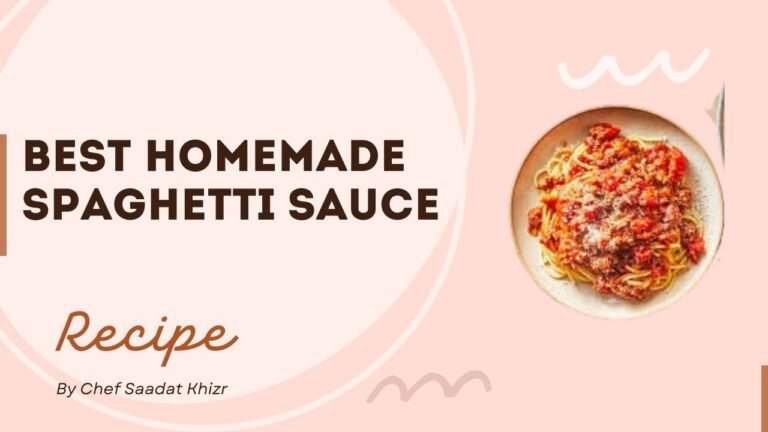
I’m just going to be real with you—buying a jar of pre-made pasta sauce is fine when you’re in a “I have ten minutes to eat before I pass out” mood. But if you’re still relying on the stuff with the cartoon chef on the label for your actual dinner parties or weekend resets, we need to talk.
I’m 22, and I’ve realized that being able to make a killer, from-scratch spaghetti sauce is basically the ultimate adulting flex. It’s the difference between “I’m eating noodles because I’m broke” and “I’m hosting an Italian-inspired soirée in my tiny apartment.”
This isn’t just tomato juice with some salt. This is a rich, thick, savory sauce that has actual depth. It’s the kind of recipe that makes your kitchen smell like a professional trattoria and makes your roommates suddenly appear out of nowhere with a fork in hand. Plus, it’s surprisingly easy to make. You just need a little bit of patience and the right ratio of herbs.
The “Low and Slow” Philosophy
The biggest mistake people make with homemade sauce is rushing it. You can’t just boil tomatoes for five minutes and expect them to taste like a masterpiece.
The secret is the simmer. You want the sauce to hang out on the stove over low heat so the water evaporates and the sugars in the tomatoes start to caramelize. This turns a thin, acidic sauce into a velvety, rich “Sunday Sauce.” It’s the perfect excuse to put on a playlist, pour a drink, and just vibe while the stove does all the heavy lifting.
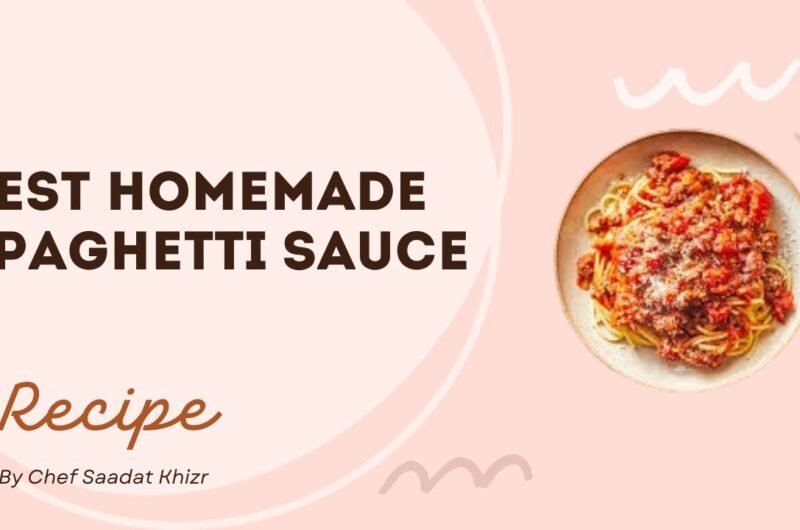
The “Sunday Sauce” Glow-Up: Why You Need a Homemade Spaghetti Masterpiece
Course: Main Dish / SauceCuisine: Italian-AmericanDifficulty: Medium4
servings10
minutes45
minutes150
kcalThe best part about homemade sauce is that it’s even better the next day. I usually make a double batch and freeze half in a mason jar.
Ingredients
1 tablespoon extra virgin olive oil
1 medium yellow onion (finely diced)
4 cloves garlic (minced)
1/2 teaspoon red pepper flakes (for that “main character” kick)
1 can (28 oz) crushed tomatoes
1 tablespoon tomato paste (the secret to that deep red color)
1/4 cup water (to rinse out the can and add moisture)
1 teaspoon dried oregano
1 teaspoon dried basil
1/4 teaspoon black pepper
1 teaspoon granulated sugar (the balancer)
Fresh parsley or basil for garnish
A mountain of parmesan cheese
Directions
- Heat the olive oil in a large pot or deep skillet over medium heat. Add the diced onion and cook for about 5 minutes until soft and translucent. Add the garlic and red pepper flakes, cooking for just 60 seconds until you can smell the garlic throughout the whole room.
- Stir in the tomato paste. Let it cook with the onions and garlic for about 2 minutes. This “toasts” the paste and removes that metallic tin taste, giving your sauce a much richer flavor.
- Add the crushed tomatoes and that little splash of water. Stir it all together until it’s a beautiful, consistent red.
- Stir in the dried oregano, dried basil, sugar, salt, and pepper. Give it a good whisk to make sure the spices are distributed evenly.
- Turn the heat down to low. Cover the pot with a lid, but leave it slightly cracked so some steam can escape. Let it simmer for at least 30 to 45 minutes. If you have an hour, even better. Stir it every 10 minutes so nothing sticks to the bottom.
- Dip a piece of bread (or a spoon) in and taste. Does it need more salt? A little more kick? This is your sauce—make it yours!
- Toss the sauce with your favorite pasta. Top it with a ridiculous amount of parmesan cheese and some fresh herbs.
Recipe Video
The Sugar Myth
A lot of people think adding sugar to spaghetti sauce is a crime. It’s not. Tomatoes are naturally acidic, and depending on the brand you buy, they can sometimes be a little too sharp. A tiny pinch of sugar isn’t there to make the sauce sweet; it’s there to balance out that acidity and make the savory flavors of the garlic and herbs pop. It’s the “glow-up” secret that takes the sauce from “canned” to “handmade.”
Herbs: Fresh vs. Dried
I love the aesthetic of fresh basil leaves, but let’s be honest—I don’t always have a thriving herb garden on my windowsill. Dried herbs are actually incredible for sauce because they stand up to the long simmer time much better than fresh ones. Use dried oregano and basil during the cooking process, and save the fresh stuff for a pretty garnish at the end. It’s the best of both worlds.
Final Thoughts on Servings
The best part about homemade sauce is that it’s even better the next day. I usually make a double batch and freeze half in a mason jar. It’s the ultimate “gift to my future self” for when I’m having a rough Monday and just need a bowl of something that tastes like a hug.
Stop buying the jarred stuff and give this a try your pasta deserves better. Happy eating!