I’m going to be completely real with you: being a dog parent in your 20s is a rollercoaster.
I’m 22, and while my friends are out at 1:00 AM, I’m often standing in my backyard with a flashlight, inspecting the “consistency” of my dog’s latest contribution to the lawn. If you know, you know. Nothing humbles you quite like a dog with a sensitive stomach. It’s stressful, it’s messy, and it’s usually the moment you realize you’re fully in your “dog-mom/dad era.”
When your pup has a tummy ache or a case of the “runs,” the vet almost always recommends the classic Chicken and Rice bland diet. For a long time, I thought this was just a suggestion to make the dog feel special. But it’s actually a strategic, functional tool for gut recovery.
However, there is a lot of misinformation floating around about how to do this right. If you just toss some fried chicken and leftover fried rice in a bowl, you’re going to make the situation worse. This is the “main character” guide to doing chicken and rice the right way—focused on healing, digestibility, and getting your best friend back to their zoomie-filled self.
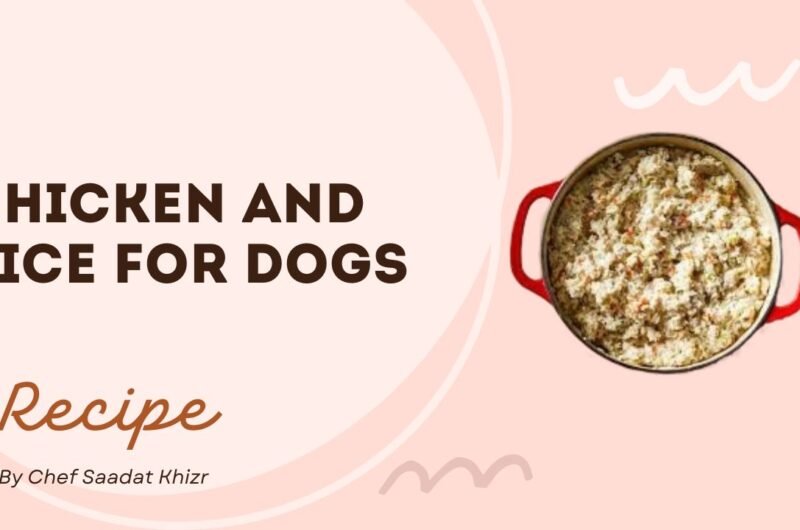
The “Bland Diet” Glow-Up: Why Chicken and Rice is the Ultimate Dog-Parent Flex
Course: Dog MealCuisine: Temporary Bland Diet (Veterinary Style)Difficulty: Easy–
servings5
minutes20
minutes–
kcalJust remember: no spices, no fat, and no onions/garlic
Ingredients
1 lb Boneless, skinless chicken breast (No thighs, no skin, no fat)
1 cup White Rice (Long-grain or Jasmine is fine—avoid Minute Rice if possible)
2 to 3 cups Water (Do not use store-bought chicken broth unless it is specifically “dog-safe”—most human broths contain onion and garlic, which are toxic to dogs!)
Directions
- Cut the chicken breast into small, bite-sized pieces appropriate for your dog’s size. Crucial Rule: Do not add salt, pepper, oil, butter, or seasonings. I know it feels “mean” to give them bland food, but your dog’s gut needs zero distractions.
- Place the chicken in a pot and cover with water. Bring to a boil, then reduce heat and simmer until the chicken is completely white through the center (usually about 10–12 minutes).
- In a separate pot (or a rice cooker), cook the white rice according to the package instructions using plain water. For a “bland diet” glow-up, some people actually overcook the rice slightly by adding a little extra water. This makes the rice even softer and easier for the dog to digest.
- Drain the cooked chicken. If you see any visible fat floating in the water, discard it. You can even rinse the cooked chicken under warm water to ensure all excess fat is gone.
- Mix the chicken and rice together based on the 2:1 ratio (e.g., if you give your dog 1 cup of food, it should be 2/3 cup rice and 1/3 cup chicken).
- Never serve this hot. A dog’s mouth is sensitive, and if they’re already feeling sick, they might gulp the food too fast and burn themselves. Let it come to room temperature or even slightly cool before serving.
Recipe Video
The “Helpful Peer” Reality Check: It’s Not Forever
I have to be direct with you here: Chicken and rice is not a long-term meal plan.
As much as your dog might act like they’ve won the lottery when they see a bowl of fresh chicken, this combo lacks the essential vitamins, minerals, and fatty acids (like Calcium, Zinc, and Vitamin E) that dogs need to survive and thrive. Think of it like “Chicken Soup for the Soul” when you have the flu—it’s great for a few days, but you can’t live on it for six months.
Typically, this diet is meant for 3 to 5 days to let the gastrointestinal (GI) tract rest. If your dog isn’t better by then, it’s time to stop Googling and head to the vet.
The Science of the “Bland”
Why this specific combo? It all comes down to the Coefficient of Digestibility.
When a dog’s gut is inflamed, it’s working on limited power. We want ingredients that require almost zero effort to break down.
- Lean Protein: Chicken breast is low in fat. High fat is the enemy of an upset stomach because it’s hard to process and can actually trigger things like pancreatitis.
- Simple Carbs: We use White Rice specifically. In our own diets, we’re told brown rice is “healthier” because of the fiber. But for a dog with a GI flare-up, fiber is too much work. White rice is a refined starch that provides quick energy and helps “bind” things together.
The “Fat Ratio” Math
When prepping the chicken, you have to be a bit of a stickler for the details. Standard “chicken and rice” isn’t about flavor; it’s about the ratio.
Most vets recommend a volume-based ratio of two parts cooked rice to one part cooked chicken. This ensures the meal is high in easy-to-digest carbohydrates and provides just enough protein to maintain energy without taxing the system.
Serving Sizes & Transitioning
How much do you give them? Generally, you should feed the same total volume of chicken and rice as you would their normal kibble, but split it into smaller, more frequent meals (like 3 or 4 times a day). This keeps the stomach from getting too full and overwhelmed.
The “Back to Normal” Transition
Once your dog’s… uh… “output” looks normal again, don’t just abruptly switch back to kibble. That’s a rookie move that will start the whole cycle over again. Use the 25/75 rule:
- Day 1 of Transition: 75% Chicken/Rice, 25% Kibble.
- Day 2: 50% Chicken/Rice, 50% Kibble.
- Day 3: 25% Chicken/Rice, 75% Kibble.
- Day 4: 100% Kibble.
Final Thoughts on the Dog-Parent Flex
Watching your dog feel unwell is the worst part of the job. But providing them with a clean, homemade, functional meal is the ultimate way to show up for them. It’s simple, it’s effective, and it’s a total vibe-shift when you see their energy start to return.
Just remember: no spices, no fat, and no onions/garlic. You’re not making a gourmet stir-fry; you’re making medicine. Your dog might look at the bowl like it’s the best thing they’ve ever tasted, but you know the truth—it’s just a “gut reset” for your favorite roommate.