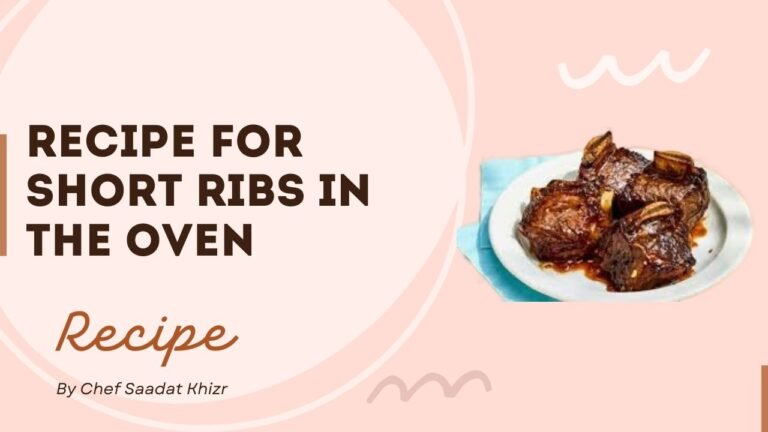
I’m going to be completely real with you: Short ribs are the “status symbol” of the dinner table.
I’m 22, and for the longest time, I thought short ribs were one of those dishes reserved for people with mahogany-paneled libraries and professional-grade kitchens. I assumed that if a dish cost $45 at a high-end bistro, it must require some kind of ancient, secret technique that I didn’t have access to in my shared apartment.
But then I realized the truth: Short ribs are actually the easiest thing you will ever cook.
They are virtually impossible to overcook. In fact, the more you “ignore” them, the better they get. If you can sear a piece of meat and boil liquid, you can make a meal that looks like it belongs on the cover of a food magazine. This is the “main character” dinner for when you want to impress someone or when you just want to sit on your couch and eat something that feels like a $100 hug.
While we’ve talked about slow cookers before, the oven is the true elite choice for short ribs. Why? Because the dry, circulating heat of the oven creates a “concentrated” reduction that a slow cooker just can’t match. This is the “high-end” glow-up you’ve been waiting for.
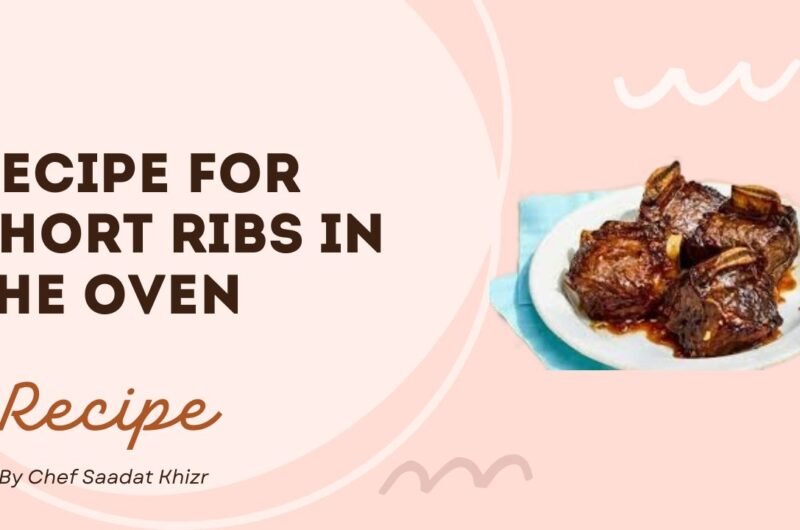
The “Main Character” Dinner: Why Oven-Braised Short Ribs are the Ultimate Culinary Flex
Course: Main DishCuisine: French-Inspired / Modern AmericanDifficulty: Medium4-5
servings25
minutes3
hours580
kcalShort ribs are actually better if you make them a day in advance. If you let the pot sit in the fridge overnight, the fat will solidify on the top
Ingredients
4-5 lbs Bone-in Beef Short Ribs (Look for “English Cut”—the thick, rectangular chunks)
2 tablespoons high-smoke point oil (Avocado or Grapeseed)
Salt and freshly cracked black pepper (be very generous)
1 large yellow onion (finely diced)
2 large carrots (peeled and diced)
2 stalks celery (diced)
3 cloves garlic (smashed)
2 tablespoons tomato paste (this adds the “deep” red color)
1 full bottle (750ml) Dry Red Wine (Cabernet Sauvignon or Pinot Noir are elite choices)
2 cups high-quality beef bone broth
1 tablespoon Worcestershire sauce
3 sprigs fresh rosemary
4 sprigs fresh thyme
2 dried bay leaves
Directions
- Take your ribs out of the fridge 30 minutes before you start. Cold meat doesn’t sear as well as room-temperature meat. Pat them bone-dry with paper towels. Wet meat steams; dry meat sears. Season them aggressively on all sides with salt and pepper.
- In a large Dutch oven (or a heavy, oven-safe pot), heat your oil over medium-high heat. Sear the ribs in batches. You want a deep, dark brown crust on all sides—not just grey. This should take about 3 minutes per side. Once done, remove them to a plate.
- Lower the heat to medium. Add the onions, carrots, and celery to the fat left in the pan. Sauté for 5-7 minutes until soft. Stir in the tomato paste and garlic, cooking for 2 minutes until the paste turns a dark, brick-red color.
- Pour in the entire bottle of wine. Yes, the whole thing. Use a wooden spoon to scrape every single brown bit off the bottom of the pot. That “fond” is the soul of your sauce. Let the wine simmer and reduce by about one-third.
- Add the beef broth and Worcestershire sauce. Nestling the short ribs back into the pot. They should be submerged about 75% of the way. If they are completely covered, you have too much liquid; if they are barely touching it, add a bit more broth. Toss the rosemary, thyme, and bay leaves on top.
- Preheat your oven to 325°F (160°C). Cover the pot with a tight-fitting lid and slide it into the oven. Now, go live your life for 3 to 3.5 hours. Don’t peek! You want that steam trapped inside.
- Once the meat is so tender it’s literally falling off the bone, remove the ribs carefully. Strain the liquid into a separate saucepan and skim off the excess fat from the top. Simmer the liquid on the stove for 10 minutes until it thickens into a glossy, dark glaze.
Recipe Video
The Physics of Fall-Apart Tender
Let’s have a quick, peer-to-peer science moment. Short ribs are a “tough” cut. They come from the lower portion of the rib cage, an area that does a lot of heavy lifting. This means the meat is packed with connective tissue, specifically collagen.
If you were to throw a short rib on a grill like a steak, it would be as tough as a rubber tire. To make it edible, we have to perform a chemical transformation. We need to reach the point where that tough collagen breaks down into rich, silky gelatin. This is the fundamental equation of luxury cooking:
$$ text{Collagen} + text{Moisture} + (text{Heat} times text{Time}) rightarrow text{Gelatin} $$
In the oven, we maintain a steady, low temperature (around 325°F) that allows this reaction to happen slowly. The gelatin doesn’t just make the meat tender; it melts into the sauce, giving it that “lip-smacking” glossiness that is the hallmark of a professional braise.
The “Maillard” Mastery
I’m going to be very direct with you: If you don’t sear the meat, you aren’t making short ribs—you’re making beef tea.
The sear is where the flavor lives. We’re looking for the Maillard reaction, which happens at high heat when the proteins and sugars on the surface of the meat caramelize. In an oven braise, this is even more important because the top of the ribs will sit just above the liquid line, continuing to brown and develop a crust while the bottoms simmer in the wine. It’s a two-for-one flavor deal that you just can’t get in a Crock-Pot.
Final Thoughts
The best way to serve this? Over a mountain of garlic mashed potatoes or creamy polenta. You want something that can act as a sponge for that incredible wine reduction.
One thing I have to mention: short ribs are actually better if you make them a day in advance. If you let the pot sit in the fridge overnight, the fat will solidify on the top (making it super easy to remove), and the flavors will deepen and harmonize in a way that’s almost spiritual.
This is the kind of cooking that makes you feel like an actual adult. It’s slow, it’s intentional, and it tastes like you put a lot more effort into it than you actually did.