I am going to be completely real with you: butter based cakes are overrated.
I am 22, and I have spent enough time in the kitchen to realize that a beautiful cake means nothing if it is dry enough to choke on. For a long time, we were told that butter is the only way to get a premium flavor. But butter is a solid at room temperature. That means that the second your cake cools down, it starts to get firm and, eventually, stale.
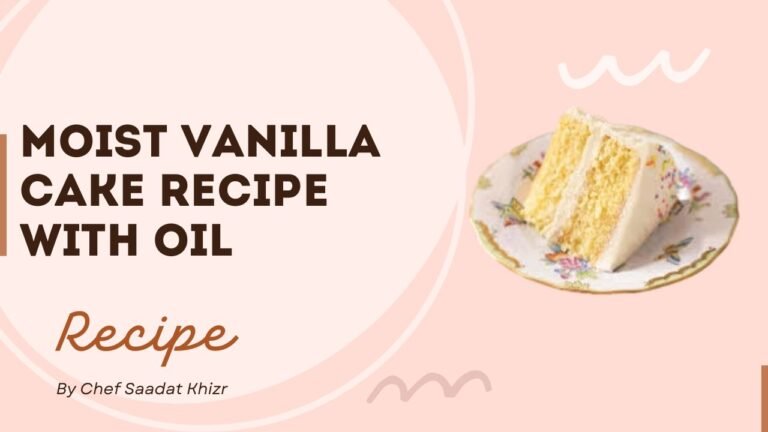
When you use oil, you are playing a different game. Oil is a liquid at room temperature. This creates a vanilla cake that is incredibly moist, has a springy texture, and the best part stays fresh for days. This is the main character of desserts. It is the sophisticated, reliable, and versatile base for every birthday, celebration, or random Tuesday night craving.
The Science of Lipid Interference
Why does oil make a cake moist while butter can make it dense? It comes down to Gluten Inhibition.
When you mix flour with liquid, gluten proteins begin to link up, creating a rubbery structure. Fats (lipids) act as shortening agents they coat the flour particles and physically interfere with that gluten development. Because oil is 100% fat and remains liquid, it coats the flour more thoroughly and evenly than butter, which is about 15 to 20% water
In an oil based cake, the lipids trap the moisture within the starch matrix more effectively, keeping the vapor pressure of the water high. This results in that melt in your mouth feel that lasts way longer than a traditional sponge.
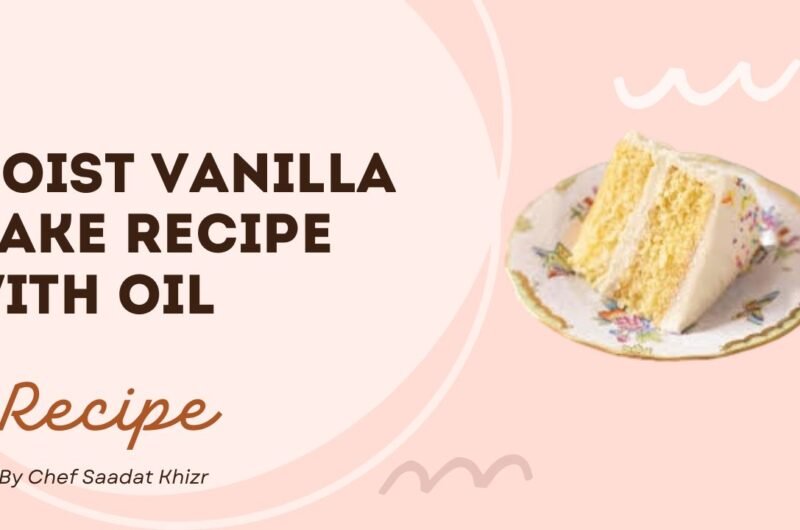
The Vanilla Standard: Why an Oil Based Cake is the Ultimate Baker Flex
Course: Dessert / Celebration CakeCuisine: Modern AmericanDifficulty: Medium8
servings15
minutes30
minutes320
kcalSwap the vanilla for 1 teaspoon of almond extract and top with sliced toasted almonds. It turns a classic vanilla into a sophisticated, wedding style flavor profile.
Ingredients
2 1/2 cups All Purpose Flour
1 1/2 cups Granulated Sugar
1 1/2 teaspoons Baking Powder
1/2 teaspoon Baking Soda
1 teaspoon Sea Salt
3/4 cup Neutral Oil (Avocado or Grapeseed is elite)
1 cup Buttermilk (room temperature)
2 Large Eggs (room temperature)
1 tablespoon Vanilla Bean Paste (for the aesthetic specks)
1/2 cup Hot Water (the secret to the bloom)
Directions
- Preheat your oven to 350°F (175°C). In a large bowl, whisk together your flour, sugar, baking powder, baking soda, and salt.
- Add the oil and about half of the buttermilk. Mix on low speed until the mixture looks like wet sand. This is that reverse creaming move that protects your texture.
- Add the eggs one at a time, followed by the rest of the buttermilk and the vanilla bean paste. Mix until just combined. You want a smooth batter, but do not overwork it.
- Slowly pour in the hot water while whisking by hand. The batter will be very thin—do not panic! The hot water blooms the vanilla and helps dissolve any remaining sugar crystals for a perfectly smooth finish.
- Divide the batter evenly between two greased and floured 8 inch cake pans. Bake for 30 to 35 minutes. You are looking for the center to spring back when touched and a toothpick to come out with just a few moist crumbs.
- Let the cakes cool in the pans for 10 minutes before flipping them onto a wire rack. Cooling them completely is non negotiable if you plan on frosting them; a warm cake will melt your hard work in seconds.
Recipe Video
The Helpful Peer Reverse Creaming Hack
I need to be direct with you: do not just dump everything in a bowl and whisk.
If you want a professional, bistro style crumb that does not have giant holes in it, use the Reverse Creaming Method. You mix your dry ingredients with the oil and a bit of the liquid first. This coats the flour in fat before the bulk of the moisture hits it, ensuring the gluten never has a chance to get tough. It is the secret to a silky, fine texture that looks like it came from a high end bakery.
The Wildcard Rule (Diversity Options)
If you want to shift the energy of this recipe, here are two ways to keep it fresh:
- The Almond Revision: Swap the vanilla for 1 teaspoon of almond extract and top with sliced toasted almonds. It turns a classic vanilla into a sophisticated, wedding style flavor profile.
- The Citrus Glow Up: Add the zest of two lemons to the sugar before mixing. The oil carries the essential oils of the lemon zest beautifully, resulting in a bright, coastal vibe.
Final Thoughts on the Flex
An oil based vanilla cake is proof that the simplest ingredients, when handled with a bit of science, can produce the most luxurious results. It is practical, it is reliable, and it is a total win for your baking portfolio.
Because this cake stays moist so well, you can actually bake the layers a day in advance, wrap them in plastic, and they will be even better when you go to frost them. You have taken a basic pantry staple and turned it into a masterpiece. Go enjoy that perfect crumb!